

Bringing Nature Inside: Biophilic Design for Serene Living
Embracing Nature's Embrace: Biophilic Design for Serene Living 🌿
For millennia, humanity has thrived in close harmony with the natural world. Our innate connection to nature, often termed biophilia, is deeply embedded in our psychology. As societies urbanized, this fundamental bond began to fray, leading to environments that often overlooked our intrinsic need for green spaces.
Biophilic design emerges as a powerful antidote, consciously integrating natural patterns and processes into built spaces. It's not merely about adding plants; it's a comprehensive approach that seeks to recreate the restorative qualities of nature within homes, offices, and public areas for enhanced well-being.
Early explorations into environmental psychology provided compelling evidence for nature's positive effects. Studies showed how views of natural landscapes could reduce patient recovery times and how green areas correlated with improved cognitive function, paving the way for structured biophilic applications.
Key Insights from Research 🔍
- Exposure to natural light, views of greenery, and organic textures significantly lowers perceived stress levels and reduces physiological indicators of anxiety.
- Integrating biophilic patterns and elements into workspaces and educational settings has been shown to boost concentration, creativity, and overall cognitive function.
- Direct and indirect experiences with nature foster a greater sense of peace, improve mood, and cultivate a stronger connection to one's surroundings, enhancing emotional balance.
Deep Dive into Biophilic Principles 💡
The efficacy of biophilic design extends beyond mere visuals, engaging multiple senses. It incorporates the soothing sounds of water, subtle natural scents, and the tactile experience of varied textures. This multi-sensory engagement creates a richer, more immersive environment, stimulating our innate responses to nature's restorative beauty.
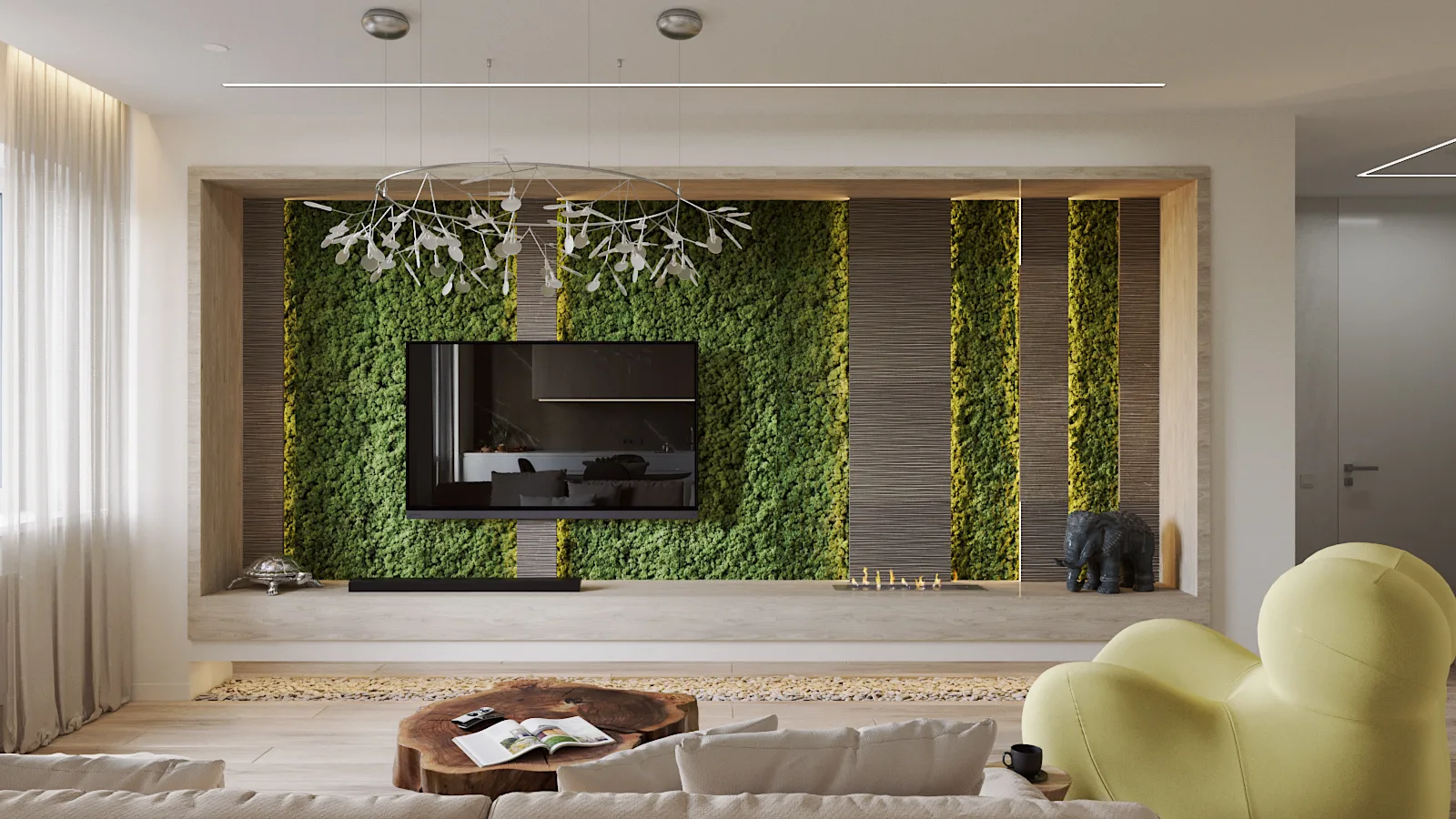
A key challenge lies in integrating biophilic elements within dense urban settings or smaller living spaces. Innovative solutions like vertical gardens, strategically placed indoor water features, and clever use of natural patterns are crucial for bringing nature indoors without sacrificing functionality or space.
The benefits of biophilic design are not just individual; they also extend to broader contexts. Environments rich in natural elements can lead to higher productivity in offices, enhanced learning outcomes in schools, and a greater sense of community in public spaces. Wicureo aims to facilitate such enriching environments.
A common pitfall is a superficial application of biophilic principles, such as merely adding a few potted plants. True biophilic design demands a thoughtful, integrated approach considering light, air flow, natural analogues, and element interplay to genuinely replicate nature's restorative qualities, not just its outward appearance.
At Wicureo, we recognize that crafting truly serene spaces requires a holistic perspective. Our approach transcends simple decoration, focusing on environments that inherently support human well-being through careful consideration of natural light, ventilation, material choices, and nature's subtle rhythms.
Transforming Spaces, Enhancing Lives ✨
- Biophilic design principles improve occupant well-being, reduce stress, and enhance productivity across residential, commercial, and public environments.
- Implementing these designs fosters the creation of more sustainable and health-promoting environments, aligning human needs with ecological considerations.
- By consciously integrating nature, we cultivate a deeper connection to the natural world in daily life, promoting mental clarity and emotional resilience.

Leave Comment