
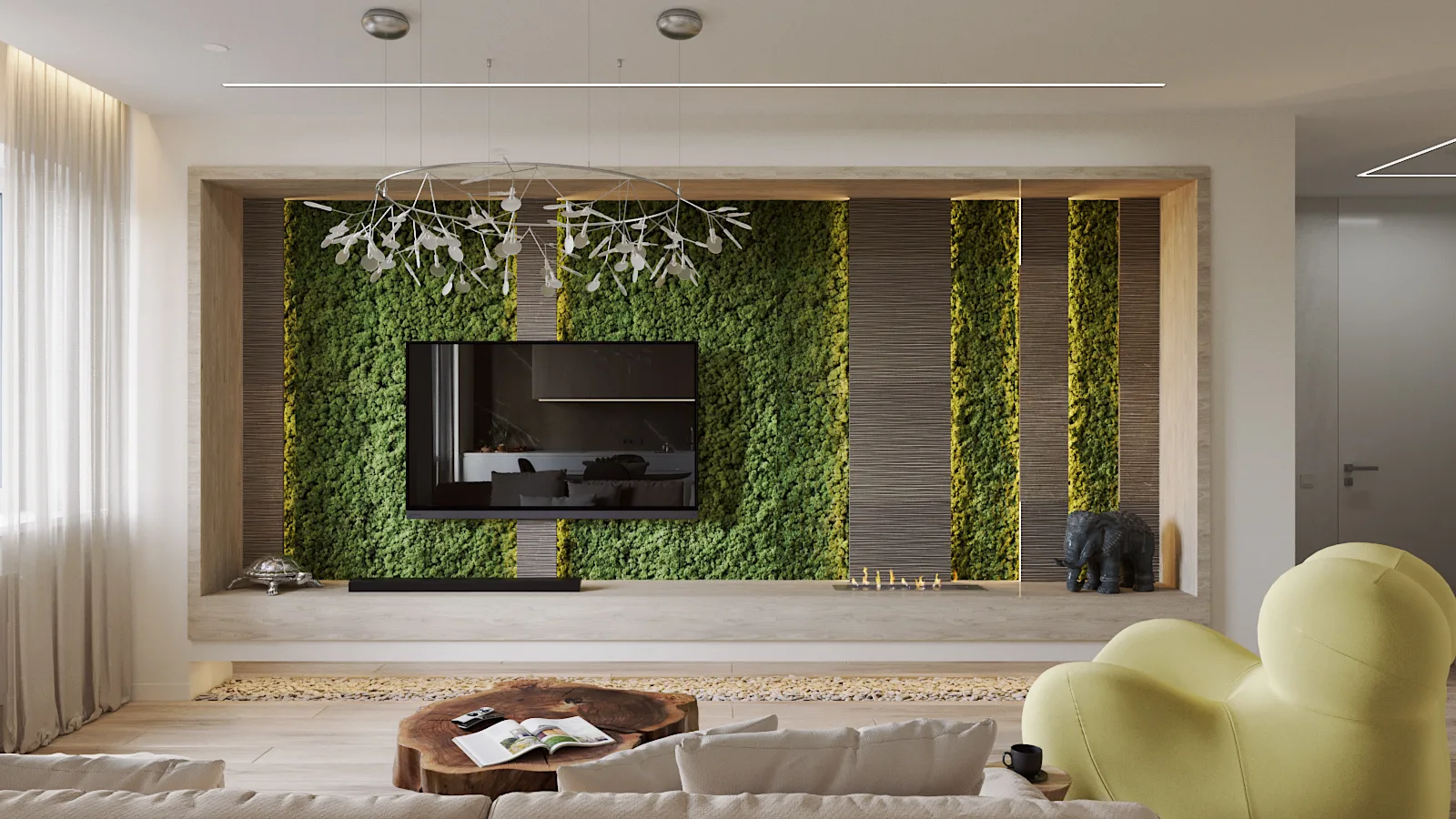
Lighting Your World: Crafting Ambiance with Thoughtful Illumination
Illuminating Our Lives: The Art and Science of Ambiance ✨
The Dawn of Illumination: A Brief History of Light's Influence 💡
Light has always been fundamental, far beyond mere utility. Early humans used fire for warmth, protection, and community, instinctively understanding its profound power. These primal sources shaped social interactions, offered comfort, and dictated daily routines. This deep-rooted connection laid the groundwork for later studies into how thoughtfully designed illumination impacts our well-being and emotional states.
Electric light transformed our world, conquering night and extending productivity. This technological leap also spurred scientific inquiry. Early research unraveled artificial light's subtle effects on human physiology and psychology. Scientists observed how varying light spectra and intensity influenced mood, alertness, and long-term well-being, moving past simple "on/off" approaches to a nuanced appreciation.
A major breakthrough was light's role in circadian rhythms. Specific wavelengths, especially blue light, suppress melatonin, affecting sleep and health. Warmer, lower-intensity evening light signals rest. This insight shifted lighting design from purely functional brightness to human-centric approaches, guiding healthier illumination practices.
Key Insights from Lighting Research 🔬
-
Light temperature significantly impacts mood and productivity. Cooler light boosts alertness; warmer tones foster relaxation, affecting cognitive performance significantly.
-
Layered lighting enhances spatial perception and functionality. Ambient, task, and accent lights create depth, highlight features, and support diverse activities effectively.
-
Dynamic lighting systems support human well-being. Mimicking natural light cycles through adjustable color and intensity improves sleep and daytime energy levels.
Analyzing the Nuances of Modern Illumination 🧐
The interplay of light color, intensity, and human emotion is complex. Cool light often boosts focus; warm light encourages relaxation. Individual responses vary. Designers must balance objective science with subjective interpretations. Optimal environments blend aesthetic appeal with psychological support, ensuring illumination looks good and feels right without discomfort.
Balancing aesthetics with ergonomics presents a key challenge. A stunning fixture might lack proper task lighting, or an efficient solution could cast an unflattering glow. The goal is seamless integration of form and function. Light sources must be strategically placed to eliminate glare, reduce eye strain, and enhance visual clarity for users.
Artificial light's impact on sleep disruption persists. Evening exposure to blue-rich light from screens and LEDs can disrupt melatonin, causing sleep issues. Solutions include dimmable lights with adjustable color temperatures, blue-light filtering, and educating users on responsible evening light use. Thoughtful design mitigates these adverse effects.
Smart lighting offers vast personalization and efficiency. Systems adjusting color, intensity, and timing based on occupancy or user preferences empower tailored environments. Wicureo embraces these advancements, developing solutions that optimize energy use and dynamically adapt to enhance comfort and well-being, making sophisticated light control accessible.
Designing for diverse environments—offices, homes, retail—requires a holistic approach. Each setting demands unique functionality, mood, and visual appeal. A successful lighting scheme considers these distinct needs, employing combined techniques to create cohesive, effective ambiance. Wicureo specializes in crafting bespoke strategies that transform spaces into truly engaging and supportive environments.
Future Directions and Applications ✨
-
Tailored Lighting for Enhanced Well-being: Personalized plans adjust to individual needs and circadian rhythms, promoting better sleep, mood, and overall health outcomes effectively.
-
Optimizing Professional Environments: Adaptive lighting in workspaces reduces eye strain, boosts alertness, and supports focus, leading to improved productivity and comfort.



Leave Comment